
Routledge · 1st Edition · Published November 4, 2025
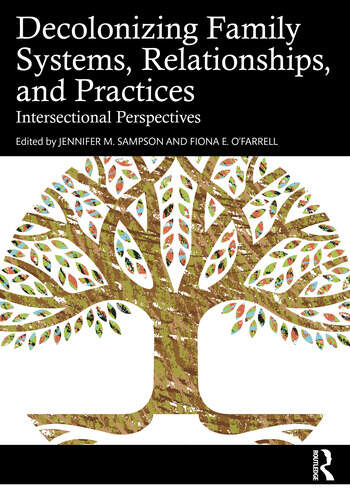
Decolonizing Family Systems, Relationships, and Practices
Intersectional Perspectives
An edited collection for therapists, educators, and graduate students that traces the colonial roots of family therapy's founding models and offers ways of working built on agency, community, and healing.
Edited by Jennifer M. Sampson, PhD, LMFT and Fiona E. O'Farrell, PhD, LMFT
Teaching a course? Request an inspection copy from Routledge
Publisher
Routledge
Taylor and Francis Group, 1st edition
Published
November 4, 2025
Copyright 2026
Length
262 pages
10 chapters, 8 illustrations
Formats and ISBNs
Paperback, hardback, eBook
Paperback 978-1-032-67105-5
Hardback 978-1-032-67124-6
eBook 978-1-032-67908-2
About the book
Decolonizing Family Systems, Relationships, and Practices: Intersectional Perspectives is an edited volume published by Routledge on November 4, 2025. It was edited by Jennifer M. Sampson, PhD, LMFT, founder of Lovewell Initiatives, and Fiona E. O'Farrell, PhD, LMFT, and it brings together ten chapters by practitioners, educators, and scholars who read human development and the family life cycle through decolonizing, anti-racist, and intersectional lenses.
Family therapy grew out of models built in particular places, by particular people, carrying particular ideas about what a healthy family looks like. The contributors name those ideas and the harm they can bring into a therapy room, and they offer alternatives that put agency, community, and healing at the center of relational work.
The chapters take on family development and life stages, relationship norms, gender and sexuality, neurovariance, grief and loss, technology, and the politics of how therapy knowledge gets made, with clinical stories and practical tools throughout.
For students
Graduate students in marriage and family therapy, counseling, social work, and psychology programs learning to work with families from many backgrounds.
For faculty
Instructors building courses on family development, diversity, and systemic practice who want readings that question the field's foundations.
For clinicians
Practicing therapists who want their work with individuals, couples, and families to account for power, history, and culture.
What's inside
Introduction. Breaking the Jar: Decolonizing Family Therapy from the Inside Out, by Jennifer M. Sampson and Fiona E. O'Farrell
Part I: Unpacking Origins
1. Breaking the Colonial Frame: Power, Privilege, and Family Therapy, by Cayla Minaiy
2. From Pathology to Liberation: Decolonizing Family Well-Being, by Zain Shamoon and Jarryn Robinson-Ellis
3. Beyond the Binary: Decolonizing Gender, Sexuality, and Family Development, by Sar Surmick
4. Family Therapy in the Era of AI: Will Technology Advance or Erase Indigenous and Non-Western Practices?, by Jacey Saucedo Coy
Part II: Decolonizing Life Cycle Narratives
5. Goodbye Birds and the Bees: How Systemic Therapists Can Use a Reproductive Justice Framework to Rethink Family Building, by Jennifer M. Sampson
6. Rethinking Childhood: Neurovariance, Cultural Strengths, and Decolonialized Development Perspectives, by Jessica Leith Claus
7. Grieving in the Wake of Colonialism: Using Creative Arts to Explore, Process, and Integrate Bio-Psycho-Social-Cultural Perspectives of Loss and Grief Across the Lifespan, by Dani Baker and Alyssa Griskiewicz
Part III: Beyond Therapy
8. Liberating Love: Rewriting the Fairytale and Expanding Relationship Norms, by Fiona E. O'Farrell
9. Agency-Centered Relational Therapy: Decolonizing Healing and Relationship Work, by Tai Lee
10. How Family Therapy Knowledge is Made and The World it Makes: Nonprofit Practice, Capitalism, and The Politics of Knowledge, by marcela polanco
Conclusion, by Jennifer M. Sampson and Fiona E. O'Farrell
About the editors
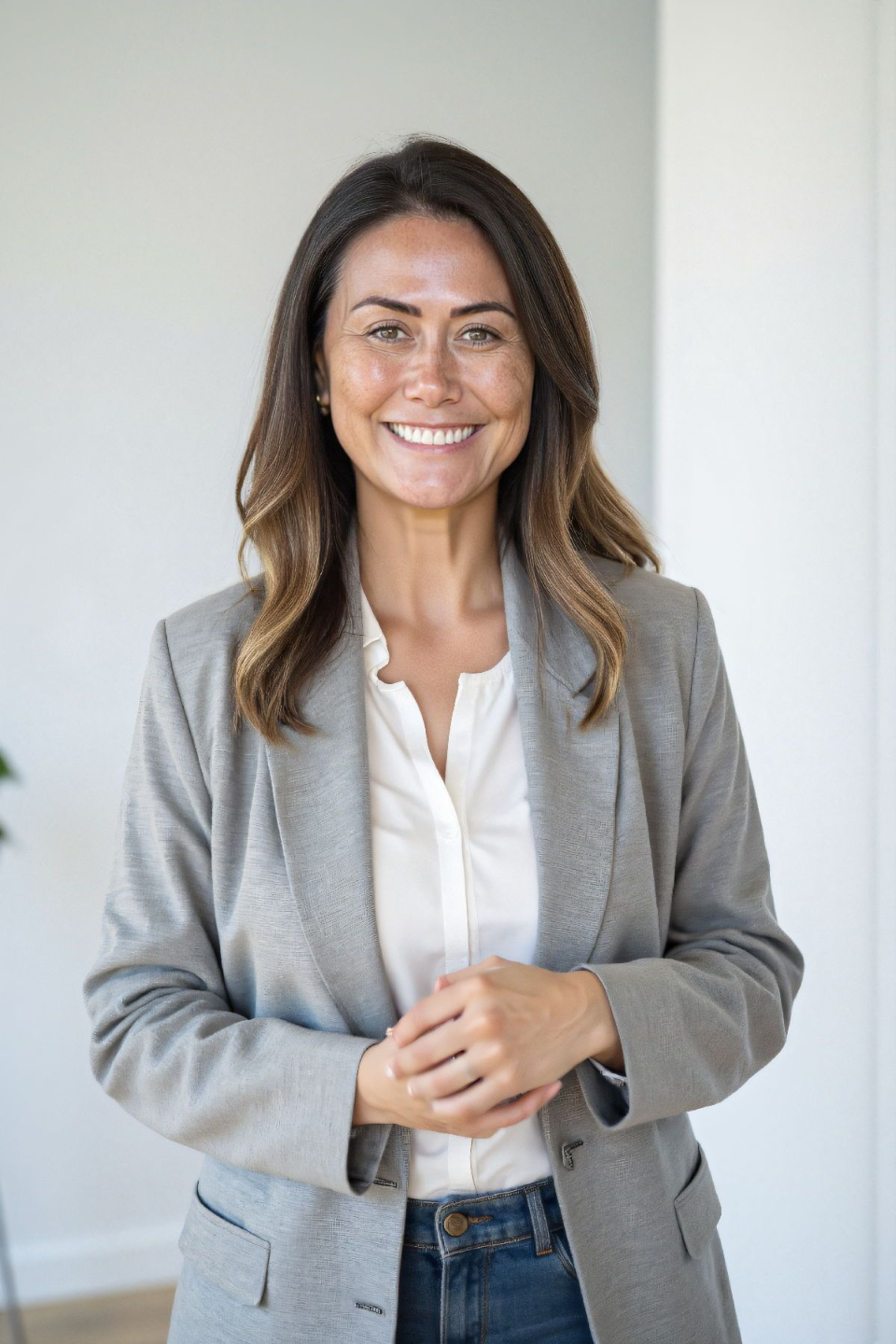
Jennifer M. Sampson, PhD, LMFT
Dr. Sampson is the founder of Lovewell Initiatives, a continuing education provider in Tacoma, Washington, and co-owner of Northwest Relationships, a group practice in Tacoma. She is a Licensed Marriage and Family Therapist, AASECT Certified Sex Therapist Supervisor, and AAMFT Approved Supervisor. She earned her PhD in Family Social Science from the University of Minnesota and spent more than 15 years as a faculty member, including service as program and department chair for a COAMFTE-accredited program. Her Person of the Leader framework extends Aponte's Person of the Therapist model into leadership.

Fiona E. O'Farrell, PhD, LMFT
Fiona O'Farrell is an AASECT Certified Sex Therapist and AASECT Approved Sex Therapy Supervisor, an AAMFT Approved Supervisor, and a Washington State Approved Supervisor with a private practice in Seattle. Fiona has spent much of the last decade in graduate education. Their doctorate in clinical sexology examined a framework for training sexuality therapists.
Bring these ideas into live training
Lovewell Initiatives offers continuing education built on the same anti-oppressive, systemic commitments as the book.
Friday, November 13, 2026 · Live on Zoom
Professional Roles and Boundaries in Practice
Presented by co-editor Fiona O'Farrell. 3 NBCC hours and 3 AASECT credits.
Friday, December 11, 2026 · Live on Zoom
Anti-Racist Therapy 101
Presented by Dr. Shawntres Parks, PhD, LMFT, CST. 3 NBCC hours.
Questions about the book
What is Decolonizing Family Systems about?
It is an edited Routledge collection that reads human development and the family life cycle through decolonizing, anti-racist, and intersectional lenses. Its contributors trace the colonial roots of foundational family therapy models and offer alternatives centered on agency, community, and healing, with chapters on family development, relationship norms, gender and sexuality, neurovariance, grief and loss, technology, and how therapy knowledge is made.
Where can I buy Decolonizing Family Systems?
You can buy it directly from Routledge in paperback, hardback, and eBook. It is also sold by other online booksellers, where prices and shipping vary by seller.
Who edited the book?
Jennifer M. Sampson, PhD, LMFT, founder of Lovewell Initiatives, and Fiona E. O'Farrell, PhD, LMFT, edited the collection and wrote its introduction and conclusion. Each also wrote a chapter.
Who contributed chapters?
Chapters are written by Cayla Minaiy, Zain Shamoon, Jarryn Robinson-Ellis, Sar Surmick, Jacey Saucedo Coy, Jennifer M. Sampson, Jessica Leith Claus, Dani Baker, Alyssa Griskiewicz, Fiona E. O'Farrell, Tai Lee, and marcela polanco.
Who is the book for?
Graduate students in marriage and family therapy, counseling, social work, and psychology, the faculty who teach them, and practicing clinicians who want their work with individuals, couples, and families to account for power, history, and culture.
What are the ISBNs and formats?
Paperback: 978-1-032-67105-5. Hardback: 978-1-032-67124-6. eBook: 978-1-032-67908-2. The first edition was published by Routledge on November 4, 2025, runs 262 pages, and carries a 2026 copyright.
Can faculty get an inspection copy?
Yes. Instructors considering the book for a course can request an inspection copy through the Routledge book page.
Does reading the book earn CE credit?
No. The book is not a continuing education program. Lovewell Initiatives offers separate live and on-demand trainings for CE credit, and you can find them on the training calendar.
Get your copy
Available now from Routledge in paperback, hardback, and eBook.
COI Disclosure: Jennifer Sampson and Fiona O'Farrell receive royalties from this book as its editors.