About This Training
Boundaries are more than rules — they’re relational.
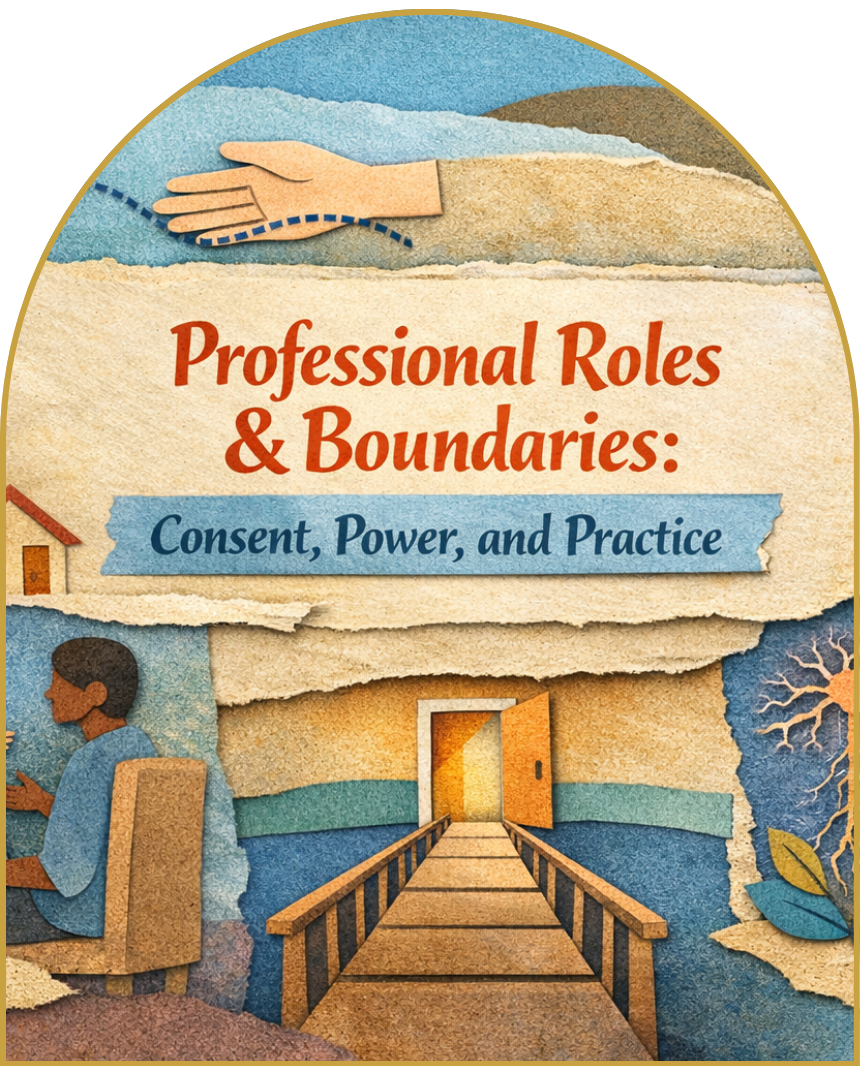
In this on-demand training, Dr. Fiona O’Farrell (they/she) guides clinicians through an experiential exploration of professional boundaries across clinical, supervisory, and organizational relationships.
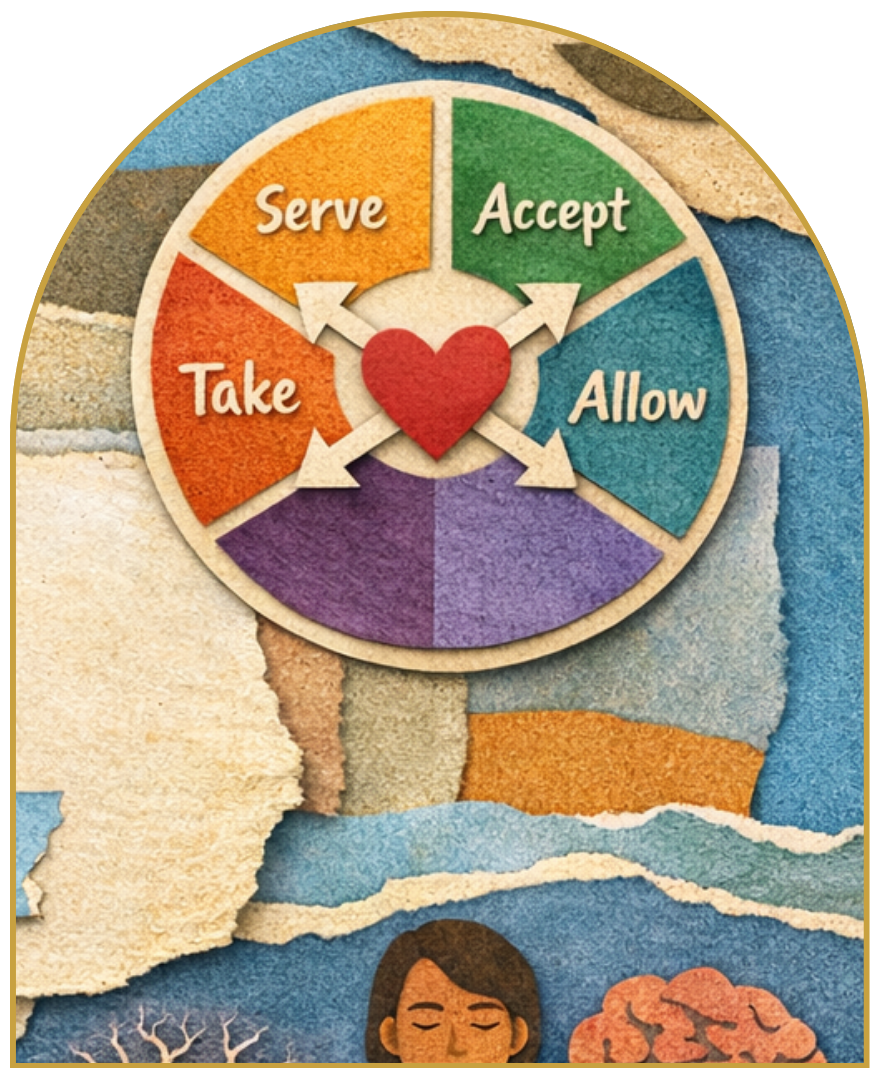
Rooted in anti-oppressive practice and Lovewell’s trauma-informed andragogy, this workshop helps you define your role and navigate real-world boundary gray zones with more clarity. You’ll learn how identity, positionality, culture, and nervous-system responses influence clinical agreements — and how to respond ethically when navigating boundaries.
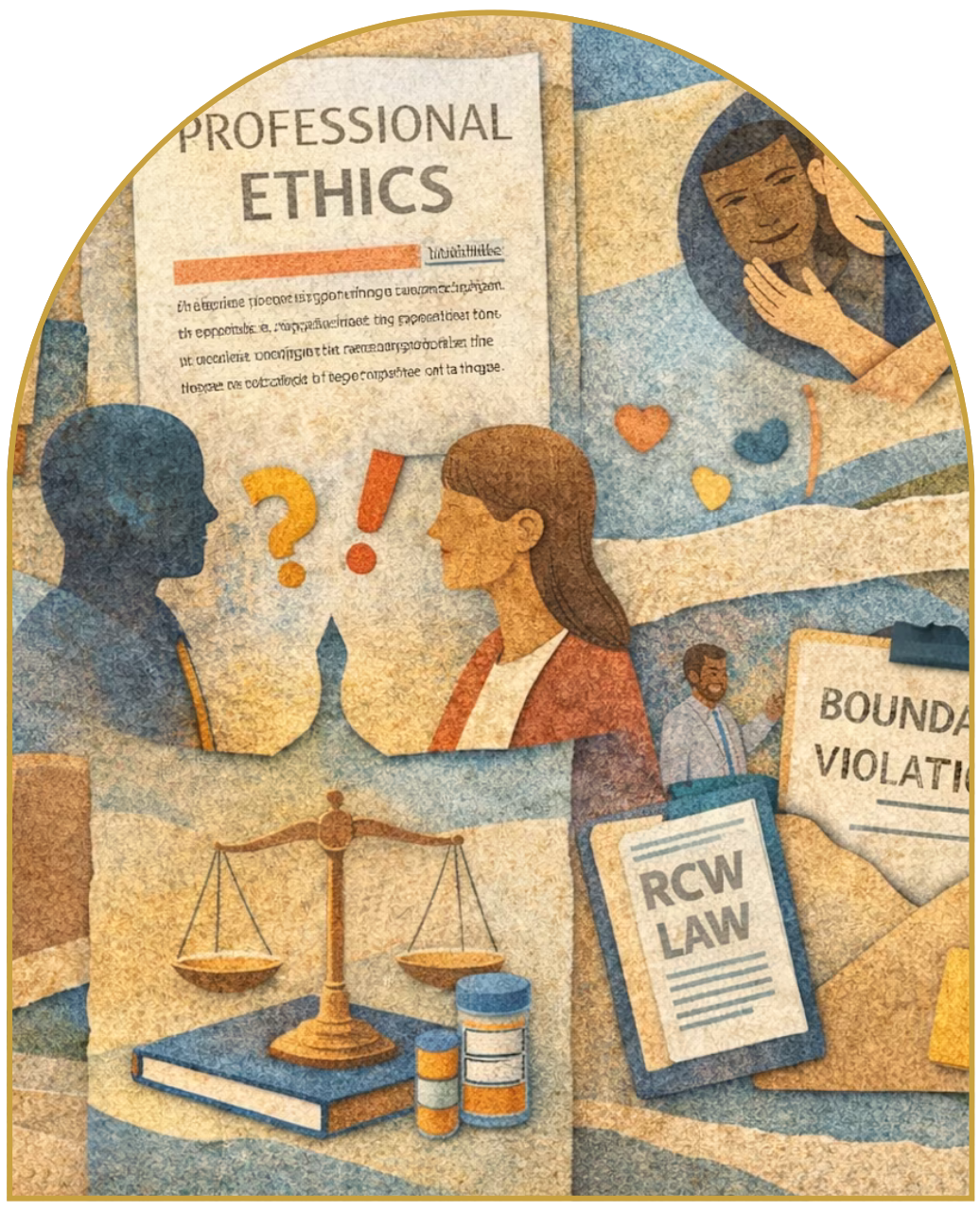
This training fulfills the Washington State Department of Health's continuing-education requirement for Professional Roles and Boundaries and includes ethics-related content.
PREORDER NOWAbout the Trainer

MEET
Dr. Fiona O’Farrell
(they/she)
Relational and Sex Therapist, Educator, Supervisor, and Trainer
Fiona E. O'Farrell, PhD, LMFT, CST-S, holds a PhD in Clinical Sexology, and is a Washington State Licensed Marriage and Family Therapist, an AASECT Certified Sex Therapist, and an AASECT Approved Sex Therapy Supervisor. Fiona is a relational and sex therapist, educator, supervisor, and trainer known for their grounded, relational, anti-oppressive approach to clinical ethics. Their work blends embodied awareness, anti-oppressive focus, consent frameworks, and trauma-informed practice to help clinicians navigate the real-world complexity of professional boundaries.
They bring warmth, nuance, humor, and depth to topics that are often taught in rigid, rule-based ways — making ethics feel alive, accessible, and grounded in relational care.
What We’ll Explore

Power, Consent & Cultural Context
- How positionality, privilege, and culture context shape professional boundaries
- Working with power dynamics in therapy, supervision, and leadership roles
- Consent frameworks adapted for clinical practice

Roles & Regulation
- How to notice nervous system influences
- Recognizing countertransference and clinical collapse
- Embodied practices for maintaining grounded and ethical presence

Boundaries in the Real World
- Case-based discussions from clinical and supervisory gray zones
- Dual relationships, role confusion, and ethical decision-making
- Organizational dynamics that support or erode healthy boundaries

Repair, Accountability & Transparency
- How to navigate boundary ruptures and boundary confusion
- Strategies for transparent communication and collaborative accountability
- Systems and policies that promote ethical, sustainable practice
Learning Objectives





What participants say
Professional Roles and Boundaries
“
I have taken many trainings with Fiona over the years and I always find that [they] deliver information that is relevant to my clinical work as a therapist, with engaging energy, wisdom, and kindness.
Mary-lynn Ballew, LMFT, Balance & Being Counseling
“
This training provides useful information to novice therapist and a great reminder to more seasoned providers on the nuances of providing ethical and empowering care within the context of the relationships we share with our clients.
Sean Orpen, LMFT-S, CST-S, WA
“
I felt both appropriately challenged and encouraged in my training with Lovewell. Run by therapists who approach therapy and learning from a systemic lens, I finally have a training that I could use right away to improve my work with clients.
Elizabeth Lemon, LMFT, WA & CO
“
Fiona is a personable teacher who isn't afraid to discuss their own missteps to help you learn. They are such a wise and calming presence that helps you feel normal in the things you might be struggling with!
Bailey DS Cheshire, LMFT, WA
“
This training challenged me to think deeply about how power and consent show up in my role as a therapist.
Kiana Lowe, LMHCA, WA
Registration & Pricing
Equity Pricing:
A limited number of equity-based or hardship-rate seats are available for the on-demand course.
Email us at [email protected] to request one — no documentation needed.
LAUNCHING FALL 2026
Preorder This Course
Complete Washington’s Professional Roles and Boundaries requirement on your own schedule.
This on-demand version of Professional Roles and Boundaries: Consent, Power, and Practice is currently in production.